
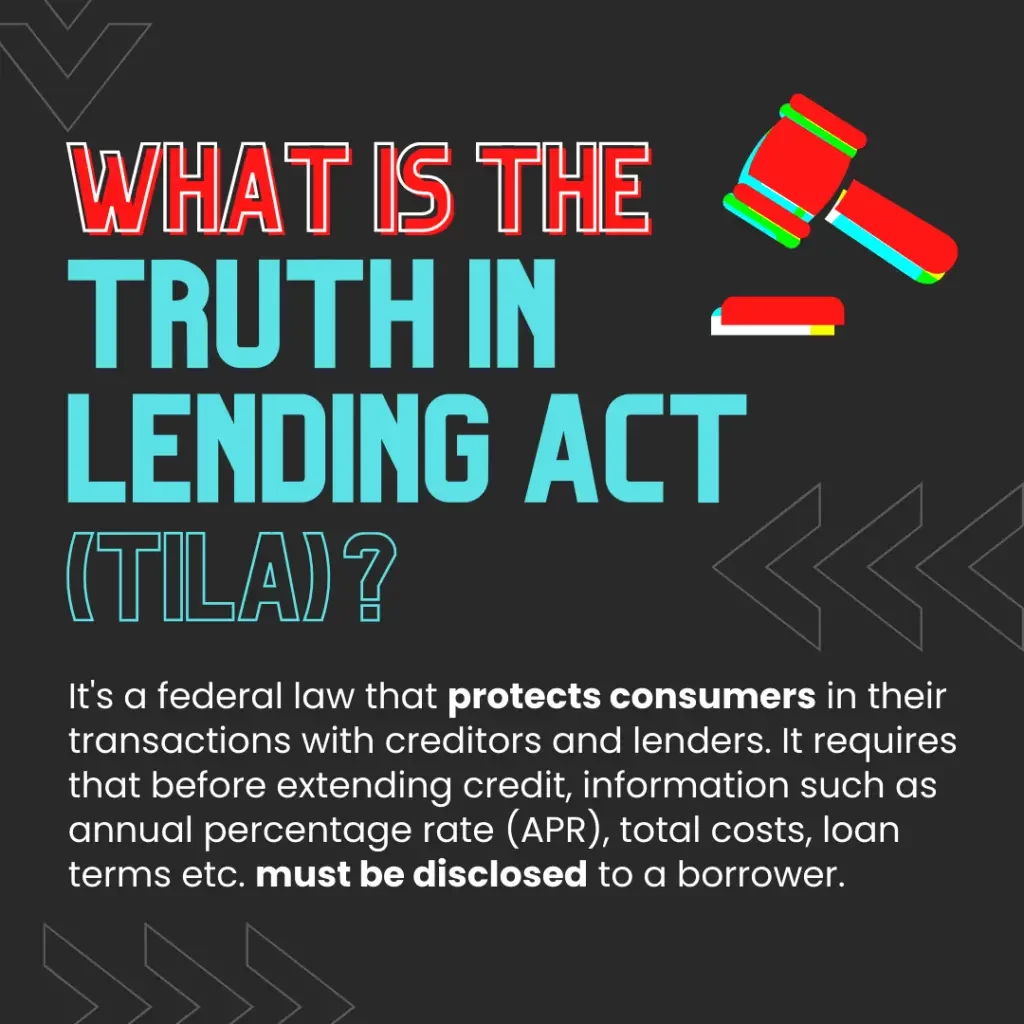
The Truth in Lending Act (TILA) has long been a cornerstone of consumer protection, but its impact on everyday borrowers is gaining fresh relevance as interest rates rise and financial products diversify. In 2026, lenders are tightening underwriting standards while regulators push for clearer disclosure, creating a dynamic landscape that can feel like navigating a maze with no map.
New Regulatory Pressures Make TILA Disclosures More Transparent
In March of this year, the Consumer Financial Protection Bureau (CFPB) released an updated guidance package demanding that lenders present key loan metrics—APR, finance charge, and total cost—in a single, legible table. This change aims to eliminate the “jargon jungle” that many consumers reported in earlier surveys.
Because of this, many banks have revamped their online application portals, ensuring that borrowers can compare offers side‑by‑side without wading through footnotes. The CFPB’s initiative has sparked a wave of industry blogs and news pieces, with Bankrate’s recent roundup noting that 78% of lenders now provide instant visual comparisons.
While the intent is straightforward—greater clarity for borrowers—the ripple effects are complex. Some smaller credit unions, wary of the costs associated with redesigning disclosure systems, have delayed full compliance, potentially widening the gap between large banks and community lenders.
Consumer Sentiment Shifts as Rates Climb
Interest rates for personal loans rose from an average of 6.4% in early 2026 to roughly 7.9% by mid‑2026, according to Bankrate’s rate tracker. The uptick has prompted many borrowers to seek alternative financing options, such as secured loans or credit card debt consolidation.
In a recent survey conducted by the National Consumer Survey Institute (NCSI), 62% of respondents said they had reconsidered taking out a personal loan due to higher rates. Yet, intriguingly, 48% reported that clearer TILA disclosures helped them feel more confident about their choice.
Financial advisors are noting a trend: borrowers who receive comprehensive disclosure sheets tend to choose lenders with slightly lower APRs but better repayment terms—often because the full cost picture is visible at a glance.
The Role of Digital Platforms in Modern Lending
Digital loan marketplaces have emerged as pivotal players, offering instant pre‑qualification and side‑by‑side comparisons. NowLoan exemplifies this trend by providing a single interface where consumers can input their credit score, desired amount, and term length to view real-time offers from multiple lenders.
This platform’s algorithm is built on the CFPB’s updated disclosure framework, ensuring that every quote includes an easy‑to‑read table of APR, finance charge, and total cost. By aligning technology with regulatory requirements, NowLoan has positioned itself as a trusted partner for borrowers seeking transparency.
Early adopters report a 30% reduction in decision time compared to traditional bank applications. The convenience factor is not just about speed; it also mitigates the “information overload” that often deters consumers from pursuing credit altogether.
Case Study: Small Business Owner Navigates TILA Disclosures
Maria Sanchez, a 32‑year‑old bakery owner in Denver, needed $25,000 to purchase new ovens. She turned to an online marketplace after her local bank declined due to a modest credit score of 650.
- Step One: Maria entered her details on NowLoan’s portal and received three offers within minutes.
- Step Two: Each offer included a clear table with APR, finance charge, and total repayment amount—thanks to the CFPB‑mandated format.
- Step Three: Maria chose an 18‑month term at 8.1% APR, totaling $27,650 in repayment—a figure she could verify against her budget.
By leveraging transparent disclosures, Maria avoided hidden fees and secured a loan that fit her cash flow. Her story underscores how the new TILA guidelines empower borrowers to make informed decisions quickly.
The Future of Personal Loans: Predictions for 2027 and Beyond
Industry analysts predict that TILA compliance will become a competitive differentiator. Lenders who invest in user‑friendly disclosure interfaces may attract higher quality leads, while those lagging could see declining application rates.
Technological innovation is likely to accelerate: AI-driven credit scoring models and blockchain-based documentation are expected to streamline the underwriting process further, potentially reducing approval times to under 24 hours.
Regulators, meanwhile, may introduce additional disclosure layers—such as a “total cost of borrowing” calculator that incorporates pre‑payment penalties and late fees. Borrowers who stay informed will be best positioned to navigate these evolving standards.
Expert Opinions: What Lenders Say About TILA’s Impact
“The clarity we’re providing now is not just a compliance checkbox,” says John Patel, senior product manager at a leading fintech lender. “It’s a trust builder; customers appreciate seeing the exact numbers before they commit.”
Patel adds that the new disclosure format has also helped lenders identify pricing gaps and adjust their rate structures to remain competitive while maintaining profitability.
Consumer Resources: How to Read TILA Disclosures Like a Pro
Understanding a loan’s APR is crucial, but many borrowers focus on monthly payments alone. A helpful tip: multiply the monthly payment by the number of months and subtract the principal to gauge the finance charge.
| Loan Amount | APR | Term (Months) | Monthly Payment | Total Repayment |
|---|---|---|---|---|
| $10,000 | 7.9% | 36 | $322.60 | $11,601.60 |
| $25,000 | 8.1% | 18 | $1,520.83 | $27,650.94 |
Remember, the finance charge—the total cost of borrowing—can vary widely even with similar APRs due to fees and repayment schedules. By scrutinizing each component, borrowers can avoid hidden costs that balloon over time.
Regulatory Updates: CFPB’s Ongoing Oversight
The CFPB has pledged quarterly reviews of lender disclosure compliance, emphasizing that non‑compliance could lead to penalties or corrective orders. Lenders must not only present the required tables but also ensure that the information is accurate and up‑to‑date at the time of application.
Consumers are encouraged to verify disclosures by cross‑checking with official lender websites or using third‑party comparison tools. Transparency, after all, is a two‑way street: lenders provide clear data, borrowers scrutinize it.
Industry Response: How Lenders Are Adapting
Lenders are investing in UX designers to create intuitive disclosure dashboards that highlight key figures with color coding—green for favorable terms, red for high finance charges. Some banks have introduced chatbots that answer real‑time questions about TILA disclosures.
These innovations signal a shift from compliance as a burden to compliance as an opportunity for differentiation and customer loyalty.
Looking Ahead: The Intersection of Technology and Regulation
The synergy between regulatory clarity and technological advancement promises a future where borrowers can compare loans in seconds. As the CFPB continues to refine disclosure requirements, lenders will need to keep pace with evolving standards and consumer expectations.
For consumers, staying informed about TILA updates and leveraging tools like NowLoan’s platform can transform the loan‑seeking experience from daunting to decisive.